
The complete guide
How to Choose and Style an Iron Typewriter Model
The problem with a flat, forgettable shelf
Most desks and shelves end up looking functional rather than interesting. Books, a lamp, a plant, maybe a photo frame. Everything serves a purpose, nothing has much personality. The room works, but it does not say anything about the person using it.
That is the gap a piece like this fills. An iron typewriter model is not useful in the practical sense. It does not hold pens or charge your phone. What it does is give the eye somewhere to land, and it carries an association almost everyone shares. Typewriters mean writing, patience, craft and a slower way of doing things. Put one on a shelf and the whole arrangement reads differently.
It also solves a specific problem for people who like the idea of a real typewriter but not the reality of owning one. A working machine needs ribbons, servicing and a flat permanent home. A decorative model gives you the shape and the feeling with none of that upkeep.
What this piece actually is
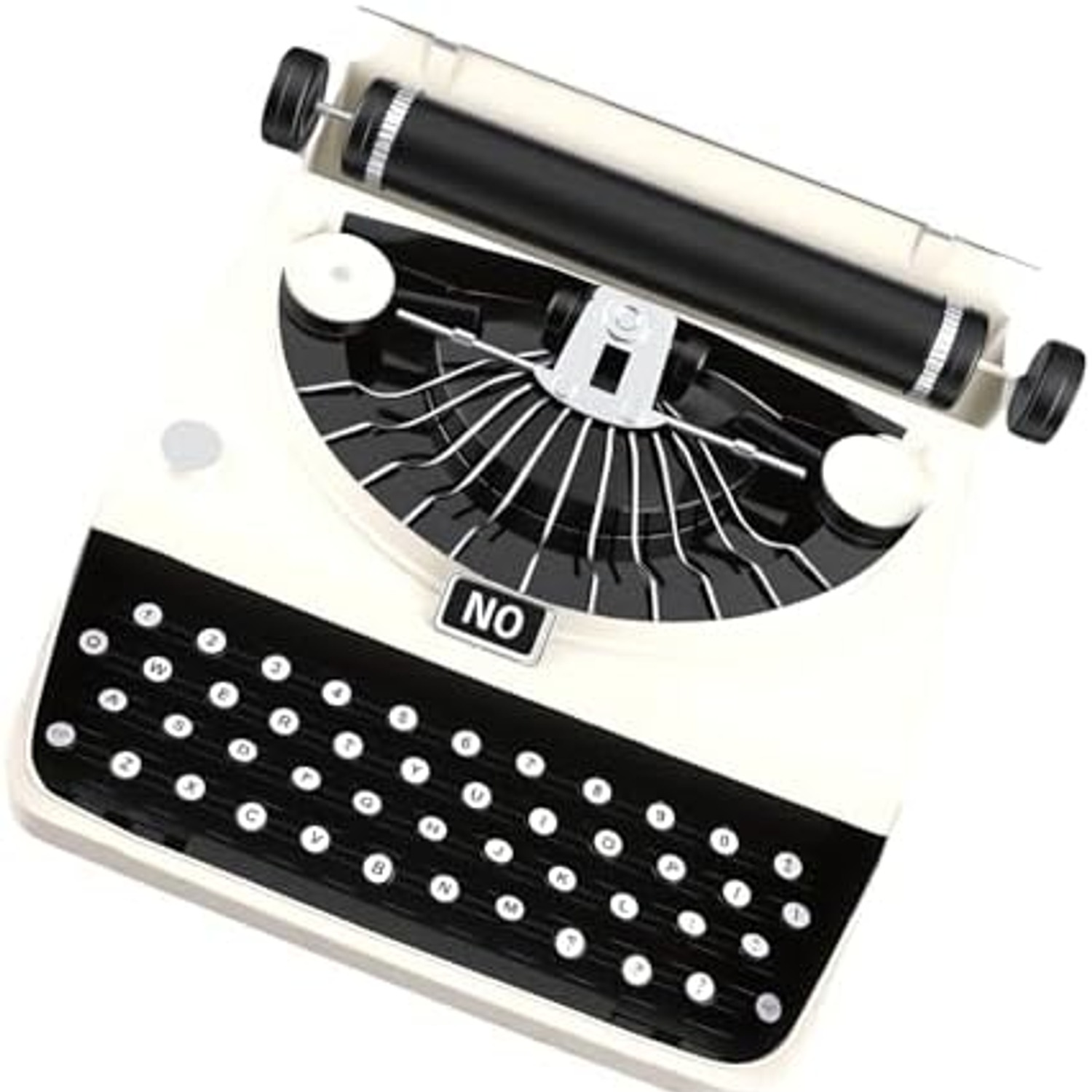
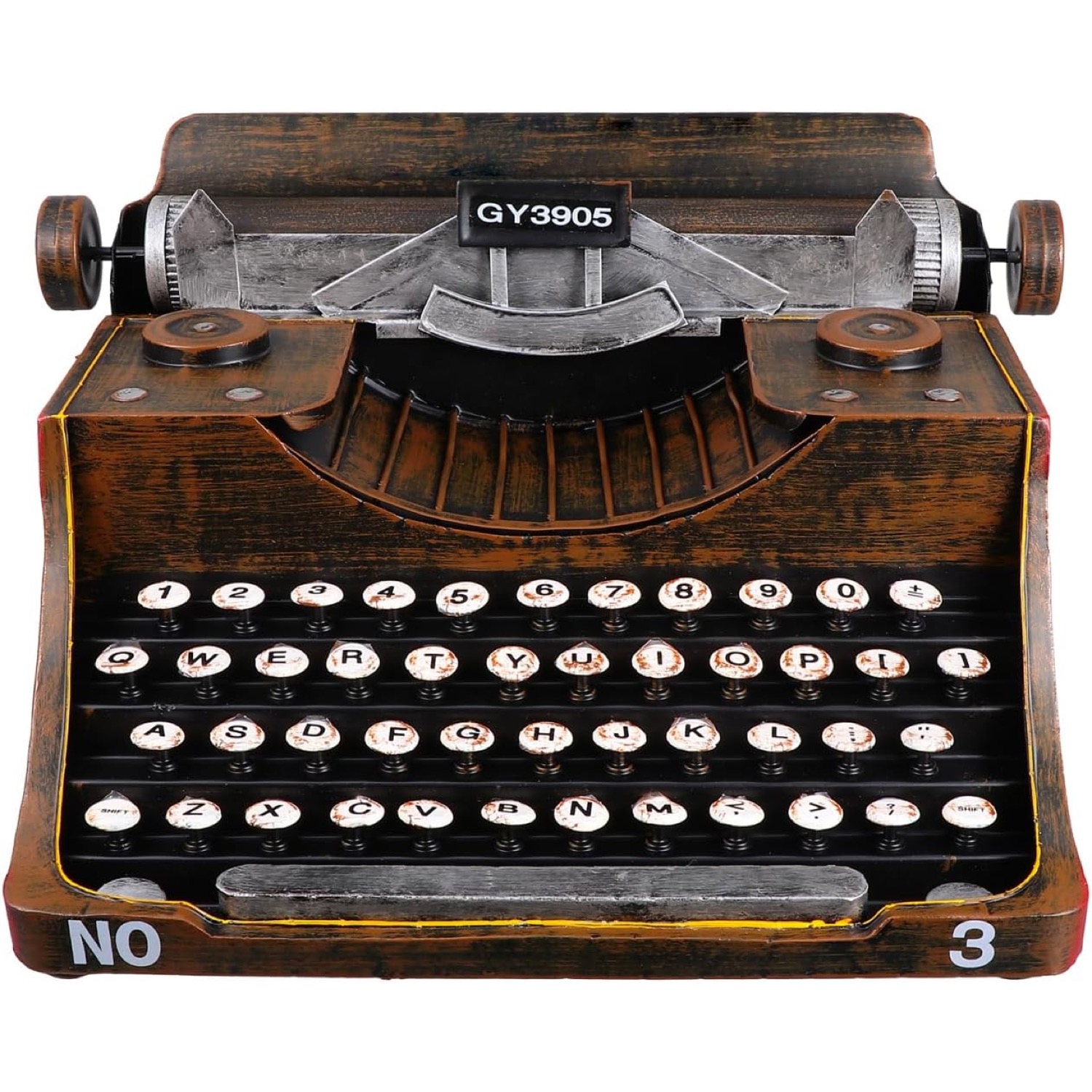
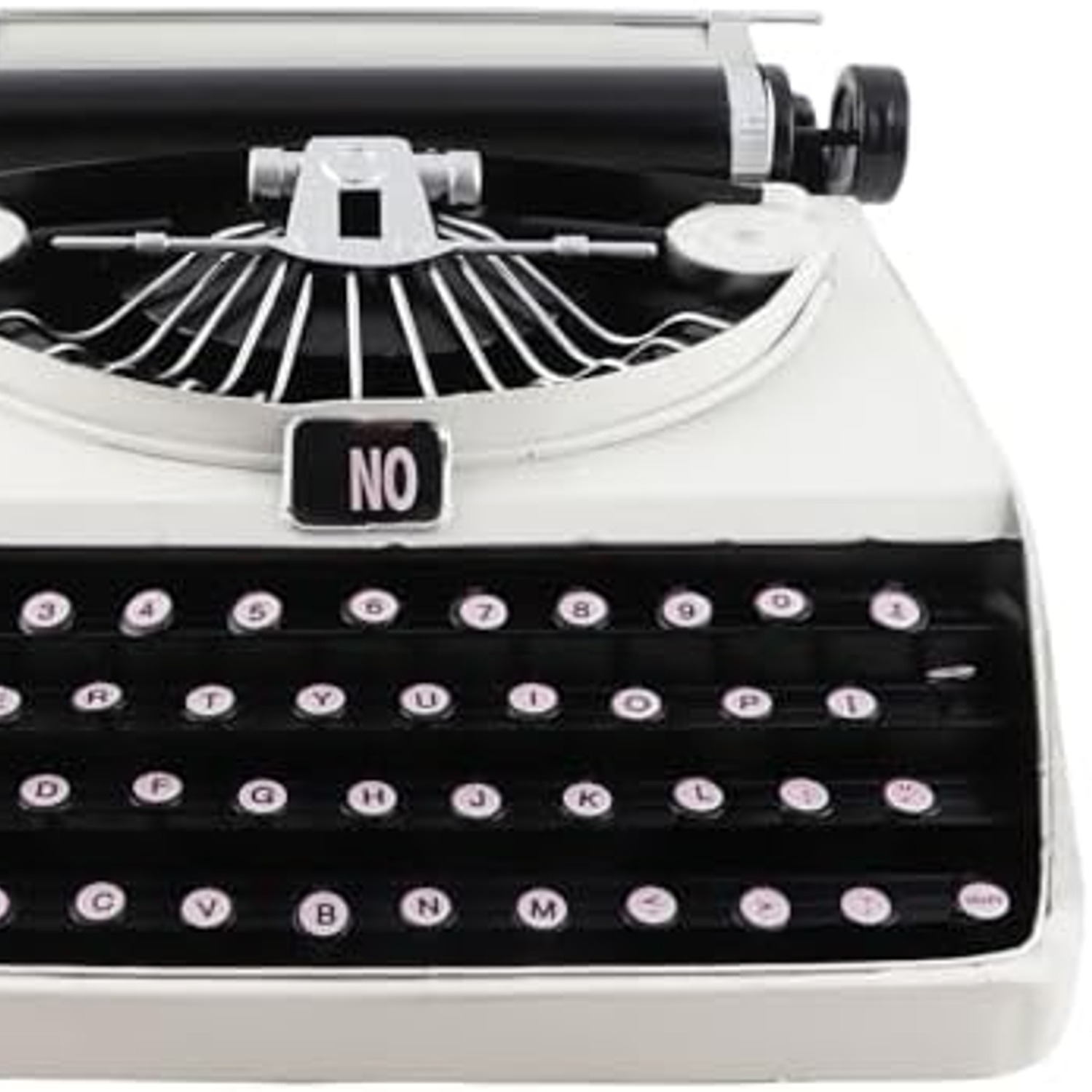
Let us be direct about it. This is a decorative model, not a working typewriter. There is no ribbon inside it and no way to print a letter with it. The keys and carriage are part of the sculpture.
It is made from high strength iron, which is the main reason it feels the way it does. Iron gives it weight and rigidity. The listed item weight is 1.94 kg, with packaging dimensions of 33 x 33 x 15 cm. In practice that means it sits firmly on a surface and does not slide or tip when you brush past it.
The finishing is done by hand. Manual polishing and finishing give the surface its antique tone, with the small variations you get from human work rather than a uniform machine coat. If you buy two, they will look like siblings rather than clones. For a retro desk ornament, that inconsistency is a feature.
No batteries are needed and no mounting hardware is supplied. It is meant to stand on a flat surface, full stop.
Who tends to buy one
Writers and readers are the obvious group. A typewriter model on a writing desk or among books looks like it belongs there, and the connection needs no explaining. Students, teachers, journalists and editors fall into the same bracket.
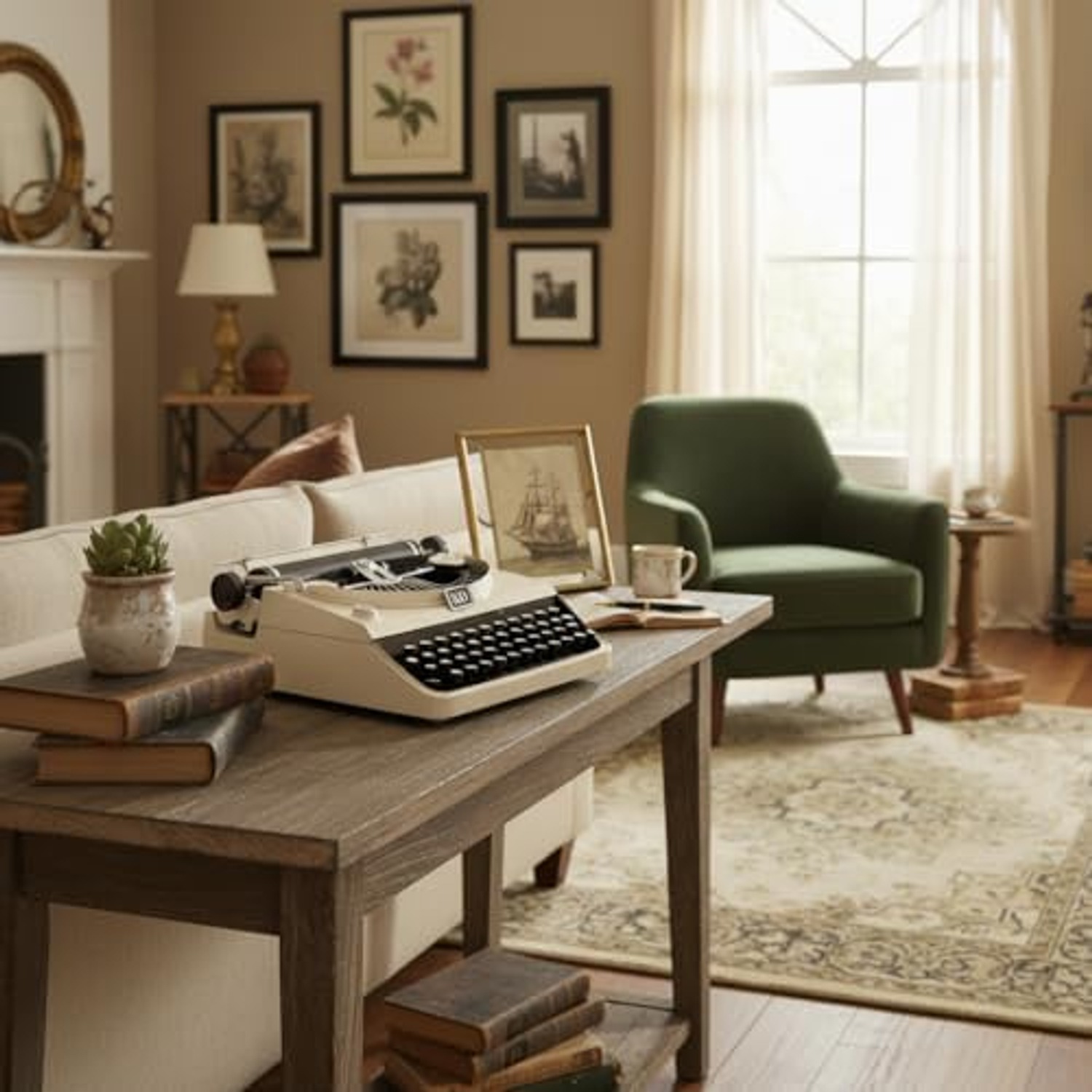
Then there is the home styling crowd. People putting together a study, a reading nook or a vintage-leaning living room often want one object with real weight and age to anchor the rest. A bookshelf styling piece like this does that job well, because it breaks up rows of spines without needing a shelf to itself.
Businesses use these too. Cafes, bookshops, barbers, boutique hotels and small galleries all put retro objects on counters and ledges to set a mood. A typewriter is one of the safest choices, because it reads as literary and old-fashioned without being tied to one decade or style.
Finally, gift buyers. This lands well for birthdays, graduations, retirements, housewarmings and office farewells. It is specific enough to feel thoughtful and general enough to suit someone whose taste you do not know in detail.
Working out whether it fits your space
Start with the measurement. The maker lists the package at 33 x 33 x 15 cm and gives no separate size for the model, so plan on about that much space. Before you order, put a book or a box of roughly that footprint where you plan to display it and live with it for a day. That tells you more than a photo will.
Think about depth as well as width. Shelves in a lot of homes are shallower than people assume, and a model that overhangs the front edge looks awkward and is easy to knock. If your shelf is narrow, a sideboard, hall table or windowsill may suit better.
Weight is the other thing to check. Just under 2 kg is nothing for a solid timber shelf or a desk, but it is worth a thought on floating shelves or glass. A good rule of thumb is that if the shelf already carries a stack of hardbacks without flexing, this is well within range.
Finally, consider what is around it. The piece has a lot of visual detail, so it does better with some breathing room than crammed between other ornaments. One clear patch of shelf, or a gap between two groups of books, is usually all it needs.
Styling it so it looks intentional
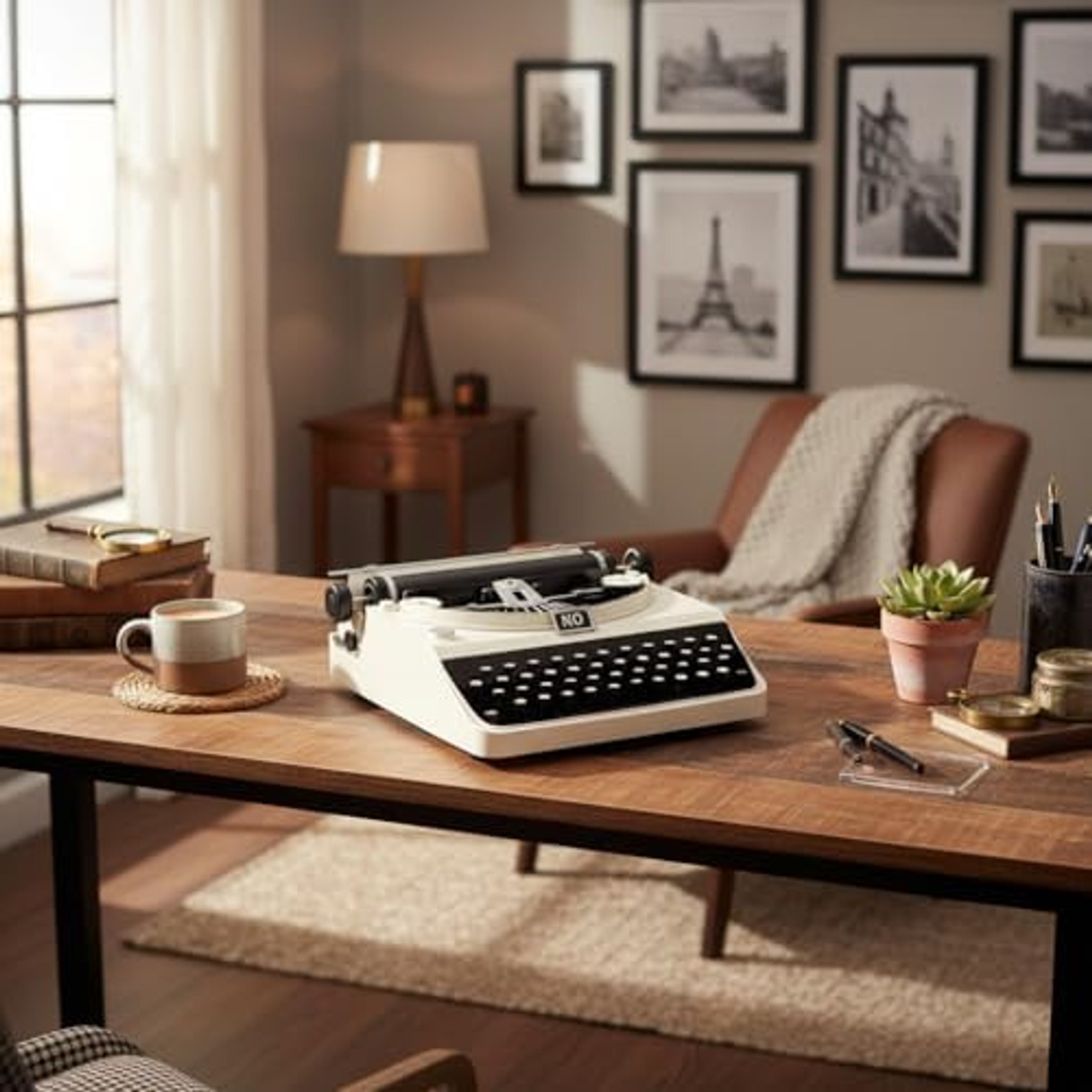
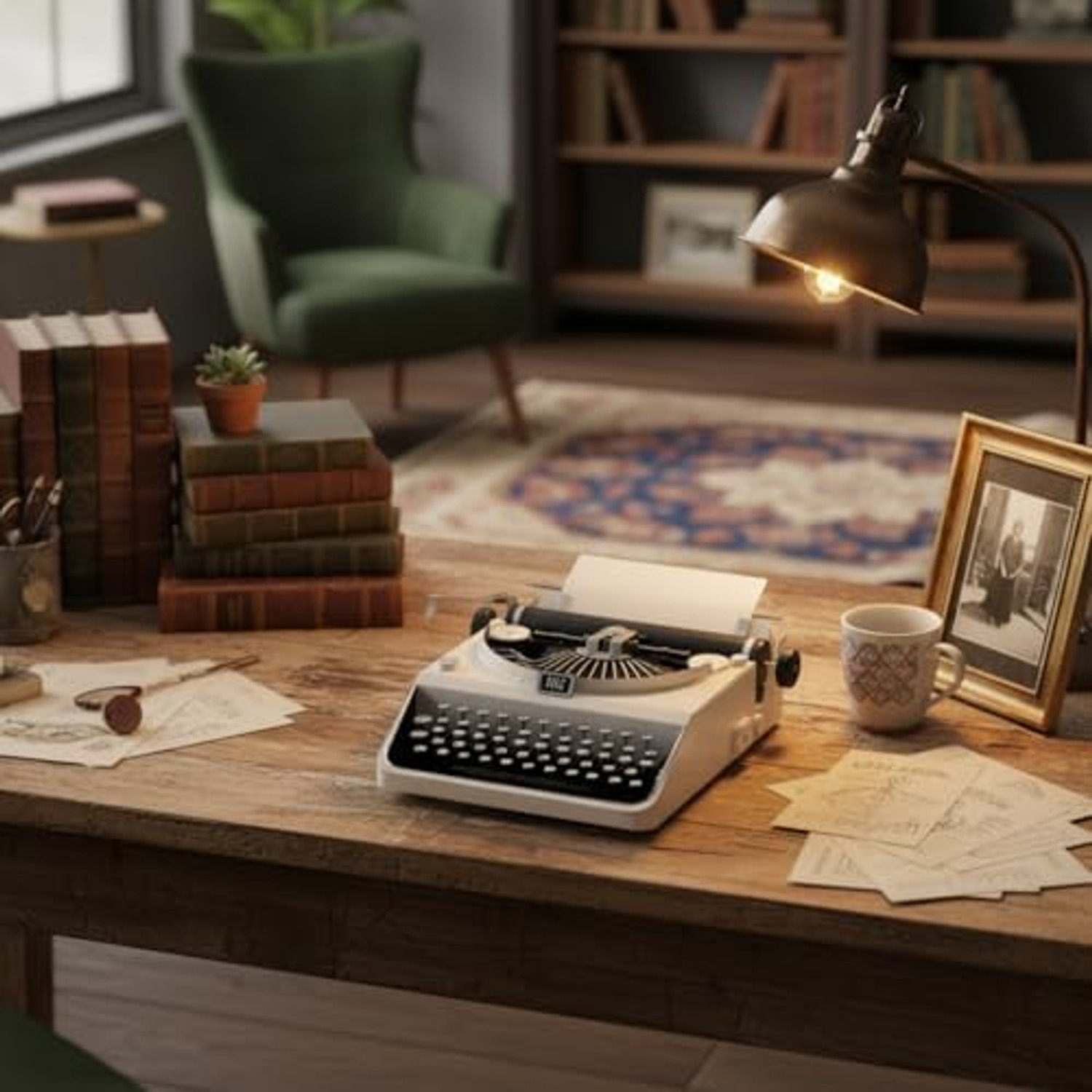
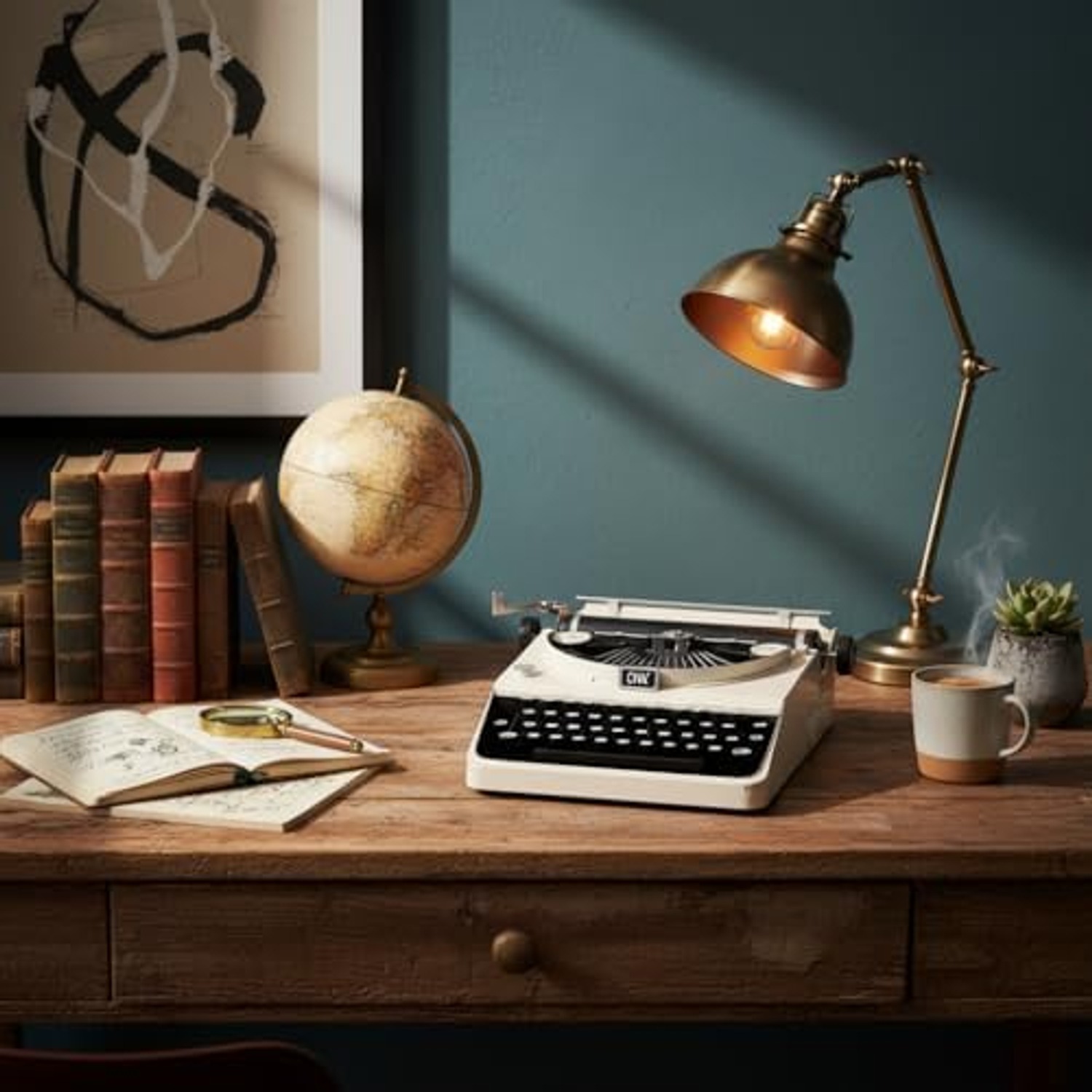
The easiest approach is to give it a small supporting cast. A couple of books laid flat underneath lift it to a better height and make the grouping look considered. A short plant nearby adds a bit of green against the metal. Keep the supporting pieces simple, because the typewriter is doing the talking.
If you are styling an office desk ornament, place it to one side rather than directly in front of you. It will catch the eye when you look up without competing with your screen or your work surface.
For a cafe or shop, height helps. A counter, a ledge or a high shelf puts it in the sightline of people standing up, which is where it does the most work.
Light matters more than people expect. The hand-finished surface shows its texture best with light coming from the side rather than straight on. A desk lamp at an angle, or a spot near a window, brings out the detail that a flat overhead light flattens.
Looking after it
Maintenance is minimal, which is part of the appeal. Dust is the main enemy, because it settles between the keys and in the gaps around the carriage where a cloth cannot reach. A clean dry paintbrush or a soft makeup brush handles that in under a minute, and doing it every few weeks keeps the piece looking sharp.
For the broader surfaces, a soft dry cloth is enough. Avoid soaking it, and avoid abrasive pads and chemical metal cleaners. Those can strip the hand-applied finish and leave you with something shinier and less characterful than what you bought.
Keep it indoors and away from damp. Iron does not enjoy moisture, so bathrooms, laundries and spots directly under an open window are all poor choices. A dry room at normal household humidity is ideal.
When you move it, lift it from the base with both hands. Carrying it by the carriage or a lever puts all 1.94 kg through a small joint, and that is how decorative pieces get damaged. A felt pad or fabric coaster under the base protects polished timber from scratches too.
The short version
If you want the look of an old typewriter without the upkeep a working one needs, this is the straightforward answer. It is iron, it is hand finished, it weighs just under 2 kg, and it sits where you put it.
Treat it as decor and it asks very little of you. Expect it to type and you will be disappointed, because that is not what it is. Measure your shelf, pick a dry indoor spot with decent side light, dust it now and then, and the rest takes care of itself.