Vintage Typewriter Co.
Company
Shop By Category
T&Cs
Shop Online

Vintage Manual Typewriter | Working Vintage Typewriter | Old Fashioned Typewriter

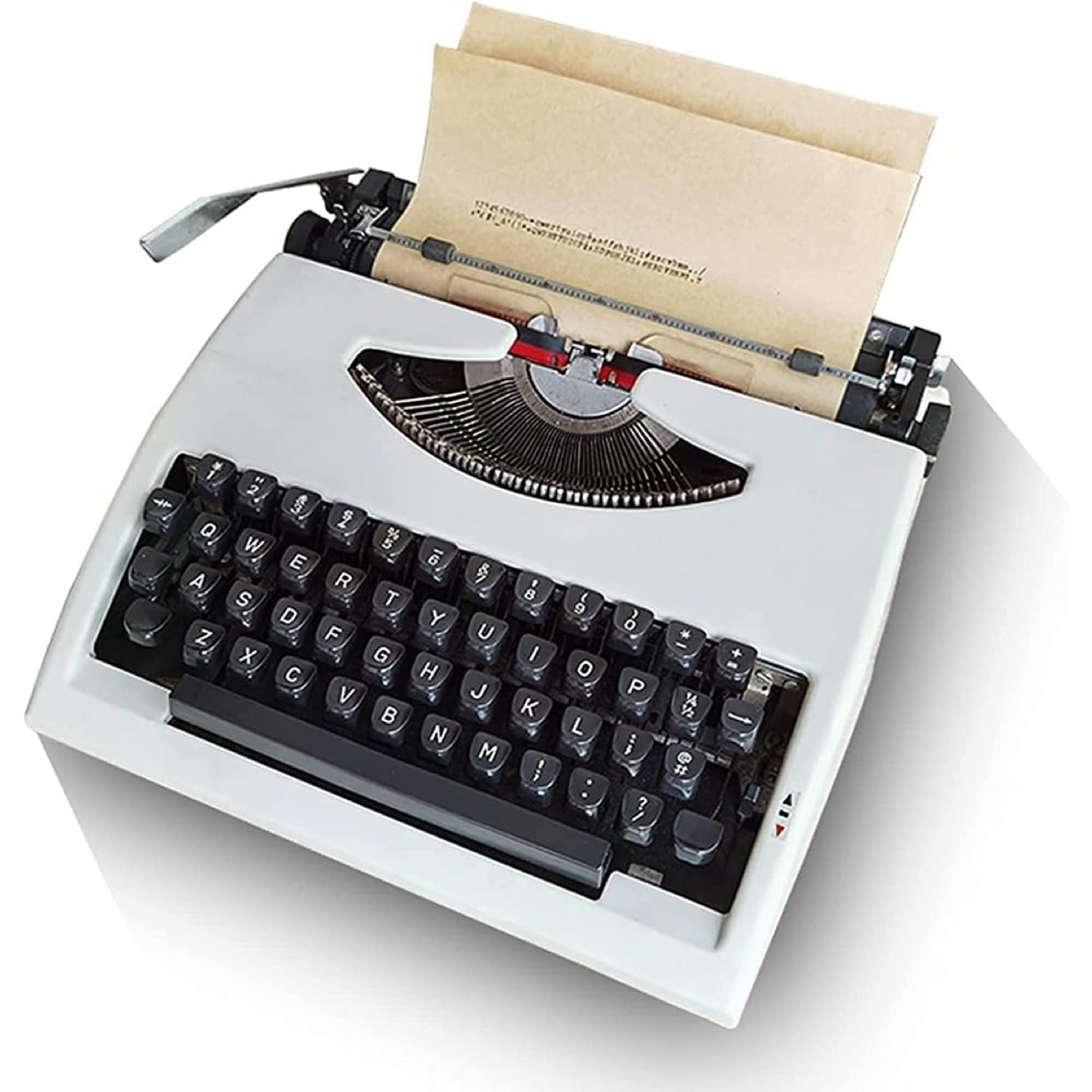
A genuine 1980 manual typewriter, tested and re-ribboned so you can load a page and start typing today.

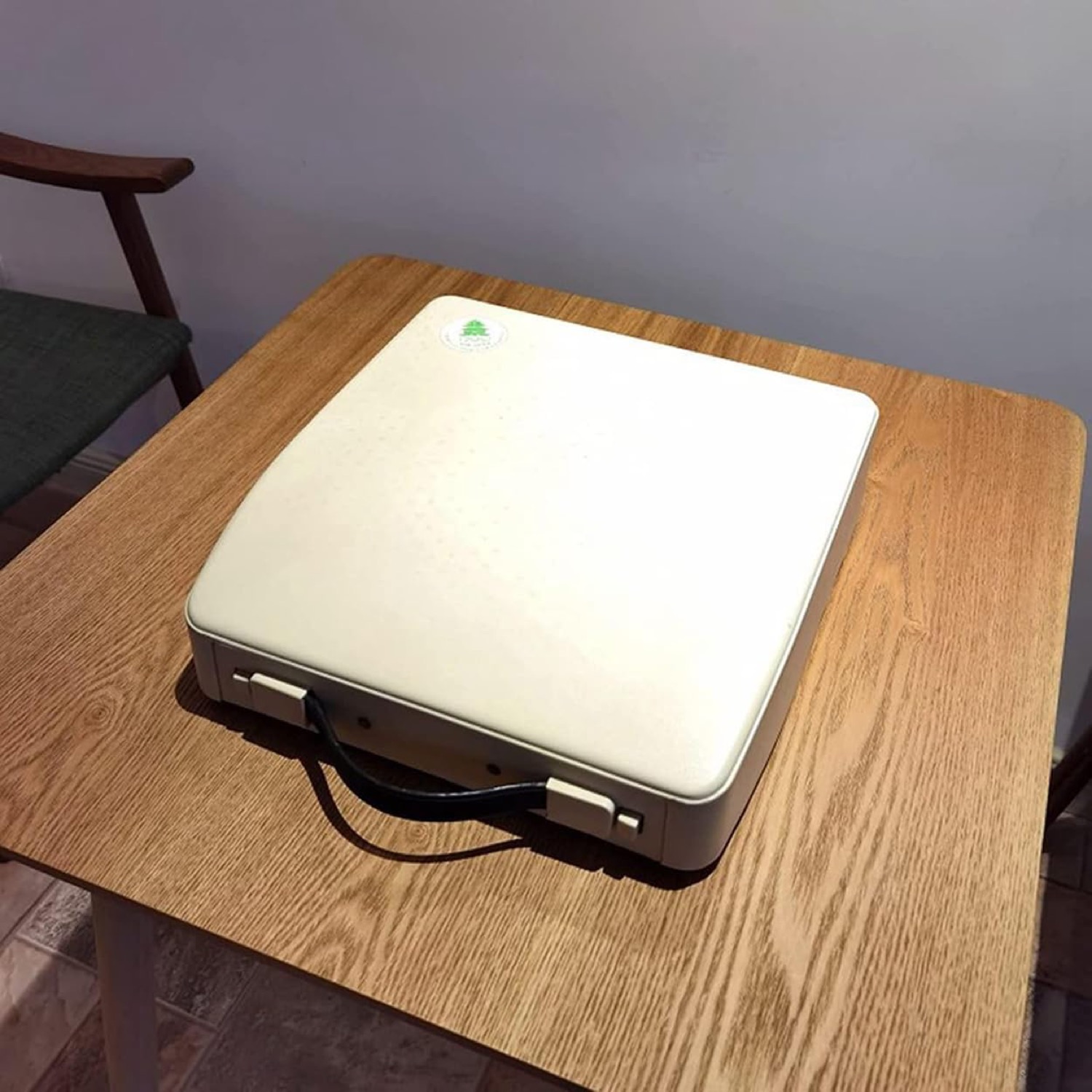
This working vintage typewriter is a portable mechanical machine in off-white, with a QWERTY keyboard, a two-colour ribbon, adjustable line spacing, and its own hard carry case. No power needed.

$499 $449 inc. GST
Save $50
Fast, FREE delivery across New Zealand on all orders $100 or more (save $15). Orders under $100 pay a flat $15 delivery.

This is a genuine working vintage typewriter made in 1980, not a new reproduction. It is a fully manual machine, so it needs no power, batteries, or screen.

Price MatchWe want to win your business
Fast RefundOn any undelivered items
Free ShippingMinimum spend required
Easy ReturnsHassle free returns & refunds
Buy direct online
Tested And Re-RibbonedEach machine is checked and fitted with a fresh ribbon before it ships, so you can type right away.
Genuine 1980 MachineA real 40-plus-year-old typewriter with honest signs of age, not a modern reproduction.
Hard Carry Case IncludedLifts out of its own case with a handle, so it is easy to move, store, and keep dust-free.
Free NZ Delivery Over $100Sent across New Zealand with tracking once your order is on its way.

Vintage Manual Typewriter (1980)

This is a genuine working vintage typewriter made in 1980, not a new reproduction. It is a fully manual machine, so it needs no power, batteries, or screen.

Before it ships, the machine is tested and fitted with a fresh ribbon so it is ready to type the day it arrives.

It has a QWERTY keyboard, a two-colour black and red ribbon, a case shift for capitals, and adjustable line spacing.

It comes in its own hard carry case with a handle, measures about 30 by 30 by 10 cm, and is light enough to move from room to room.

Being 40-plus years old, it carries honest marks and wear. That is part of buying the real thing rather than a shiny copy.

Specifications

Item TypeManual Typewriter (working)
ConditionUsed vintage, tested before dispatch
Year1980
OperationFully manual, no power needed
KeyboardQWERTY (English)
RibbonTwo-colour (black / red), replaceable, fitted before dispatch
FunctionsCase shift, ribbon colour selector, adjustable line spacing
ColourWhite (off-white)
Dimensions (W x D x H)30 x 30 x 10 cm
CaseHard carry case with handle
In The BoxTypewriter, fitted ribbon, carry case (electronic manual on request)
MaterialMetal mechanism with metal and plastic body

Frequently Asked Questions

Does this typewriter actually work?

Yes. It is a working vintage typewriter, not a display model. Each machine is tested and fitted with a fresh ribbon before it ships, so you should be able to load paper and type as soon as it arrives.

Is it new or used?

It is used. This is a real machine made in 1980, so it is more than 40 years old. It has been checked to work and re-ribboned, but it is a genuine old typewriter, not a new reproduction.

Will it have marks or signs of age?

Yes, expect some. A machine this old usually has a few scuffs, marks, or small signs of wear on the body. That patina is normal for a vintage typewriter and is part of owning the real thing rather than a modern copy.

Does it need power or batteries?

No. It is a fully manual mechanical typewriter, so it runs on nothing but your fingers. There is no power lead, no battery, and no screen. That is a big part of why an old fashioned typewriter that works is so appealing.

How do I start typing?

Open the case, set the machine on a table, wind in a sheet of paper, and press the keys. That is all there is to it. If you have never used one, the supplier can send an electronic manual to walk you through it.

What ribbon does it use and is one included?

It uses a standard two-colour typewriter ribbon, black and red, and a fresh one is fitted before your machine ships. When it eventually fades, you can buy a replacement spool and swap it in yourself.

Can I switch between black and red ink?

Yes. There is a ribbon colour selector that lets you choose black or red. Many writers use black for the main text and red to mark edits or headings. It is a handy feature on a mechanical typewriter.

Does it type capital letters?

Yes. It has a case shift, which is the lever or key that raises the type so you get capitals. Hold it for a single capital or use the shift lock for a run of capitals. It works just like a classic manual typewriter.

Can I change the line spacing?

Yes, the line spacing is adjustable. You can set it tighter for drafts or wider for letters and easy reading. It is a simple control on the machine.

What keyboard layout does it have?

It has a standard QWERTY layout in English, so it feels familiar from the first key. The keys cover letters, numbers, common punctuation, and a few symbols. A QWERTY manual typewriter like this needs no learning curve for the layout.

Is it portable?

Yes, that is one of its best features. It lifts in and out of its own hard carry case, which has a handle, so a portable typewriter with case like this is easy to carry. At about 30 by 30 by 10 cm it is a compact size.

What is in the box?

You get the typewriter, the ribbon already fitted, and the hard carry case. An electronic manual is available on request if you would like one. There is no power supply because the machine does not need one.

How big is it?

It measures about 30 by 30 by 10 cm. That is a compact, portable footprint that fits on a desk or a kitchen table without crowding it. The carry case adds only a little to that size.

How much does it weigh?

It is a portable model, so it is light enough to carry by the case handle. The exact shipping weight is being confirmed and will be shown before you order. A manual typewriter is heavier than it looks because of the metal mechanism inside.

What colour is it?

The body is an off-white, sometimes described as white or pale grey. It is a clean, simple look that suits both a modern desk and a vintage setup. A white vintage typewriter stands out nicely against darker furniture.

Can I write a whole novel on it?

Yes. Plenty of writers use a manual typewriter for letters and novels because it keeps them off a screen and away from distractions. You type one clean page at a time, which many people find helps them focus and finish drafts.

Is it good for letters and notes?

Very. It is well suited to letters, envelopes, notes, and journaling. There is something personal about a typed letter on real paper that an email cannot match. It is part of why a retro manual typewriter is back in fashion.

What paper does it take?

It takes ordinary paper that you wind in around the roller. Standard printer or letter paper works well. Lighter weights feed most easily, and you can type envelopes too.

Will it be loud?

It makes the classic typewriter sound, a crisp clack as each key strikes and a ding at the end of a line. Most people love that sound, but it is worth knowing if you want to type late at night in a shared space.

What if I have never used a typewriter before?

That is fine, it is easy to pick up. Load paper, type, and use the carriage return lever to start a new line. If you want a guide, the supplier can send an electronic manual so you are typing confidently in minutes.

What if it arrives faulty?

Although each machine is tested before dispatch, vintage gear can be knocked about in transit. If yours arrives with a problem, contact us and we will help sort out a repair, replacement, or return under our standard policy.

Can I return it if I change my mind?

Yes, returns follow our standard policy shown at checkout. It helps if the typewriter is in the same condition you received it, back in its case. Reach out and we will guide you through the steps.

Is this better than a brand-new reproduction typewriter?

It depends on what you want. A genuine 1980 machine has real history and character that a new copy cannot fake, which is why collectors prefer it. A new one may look tidier, but it will not feel like the real thing the way this does.

Is it a collectible?

It can be. A genuine vintage machine in working order is a collectible typewriter that you can also use every day. Keeping it clean and in its case helps it hold its character and value over time.

How do I look after it?

Keep it dry, dust it with a soft cloth or brush, and close the case when you are done. Type a few lines now and then to keep the parts moving freely. Avoid heavy oiling and never wash any part with water.

How do I replace the ribbon later?

When the print starts to fade, you fit a new standard typewriter ribbon spool. You lift out the old spools, wind the new ribbon onto the path, and clip it in. It is a quick job once you have done it once.

Does it correct mistakes?

Not on its own, the way a computer does. With a manual typewriter you fix errors with correction fluid, correction tape, or by retyping. Many writers leave small typos in on purpose because they like the honest, human look.

Would it make a good gift?

It makes a memorable gift for writers, students, journalists, and anyone who loves vintage things. A working machine they can actually use beats an ornament. Pair it with a few sheets of nice paper and a spare ribbon.

Is it suitable for children?

Older children who want to try typing often love it, with an adult nearby to help at first. The keys need a firm press and the parts are metal, so it suits supervised use rather than very young kids. It is a fun way to learn where computer keyboards came from.

How long will delivery take?

Delivery time depends on your location and is shown at checkout before you pay. We ship across New Zealand with tracking. You will get the details once your order is on its way.

Why buy a vintage typewriter instead of a decorative one?

Because this one works. A decorative model just sits on a shelf, while a working vintage typewriter lets you actually write letters, notes, and novels on it. You get the look and the use, not just the look.

How to Buy and Use a Vintage Manual Typewriter

7 min read Vintage Typewriter Company

What you are actually buying

This is a genuine manual typewriter made in 1980. It is worth being plain about that from the start, because it sets the right expectations. You are not buying a new machine, and you are not buying a decorative model that only looks the part. You are buying a real, working tool that is more than 40 years old and still types.

That comes with good and with trade-offs. The good is that it has the weight, the sound, and the feel that only a real vintage machine has. The trade-off is age. Expect a few marks, scuffs, or small signs of wear on the body, and know that every machine is a little different. If you want something flawless and modern, this is not the right pick. If you want the real thing, it is exactly right.

To make these machines reliable, each one is tested before it ships and fitted with a fresh ribbon. That is an important step with vintage gear, because an old typewriter that has sat in a cupboard for years can be stiff or dry. A test and a new ribbon mean yours should type cleanly from the first page.

How a manual typewriter works

The appeal of a manual typewriter is how simple and direct it is. You wind a sheet of paper around the roller, you press a key, and a metal type bar swings up and strikes an inked ribbon against the paper. The letter prints. You move along, and at the end of a line you push the carriage return lever to start the next one. No power, no menus, no screen.

This machine has the controls you would expect. The keyboard is a familiar QWERTY layout in English. A case shift gives you capital letters, either one at a time or locked on for a run. The ribbon is a two-colour type, black and red, with a selector so you can switch colours, which is handy for marking edits or headings. And the line spacing adjusts, so you can set tight spacing for a rough draft or wider spacing for a letter.

None of this needs explaining once you have a page in front of you. It is the kind of tool you understand by using it. And if you have never touched a typewriter before, the supplier can send an electronic manual so you can get the hang of it in a few minutes.

Why people are going back to typewriters

There is a real reason a retro manual typewriter feels good to use in a world full of screens. When you type on one, you cannot scroll, you cannot check your phone, and you cannot delete a sentence the second you write it. You just write. A lot of writers find that this single feature does more for their focus than any app ever has.

It is also about the feel. The press of the keys, the clack of the type bars, and the ding at the end of a line are part of the pleasure. A typed letter on real paper carries a weight that an email never will. For handling envelopes, writing letters, taking notes, or drafting a novel, a mechanical machine turns a chore into something you look forward to.

And there is the object itself. A genuine 1980 typewriter is a collectible typewriter that you can also use every day. It looks wonderful on a desk, it starts conversations, and unlike a decorative model it earns its place by actually working.

Getting set up

Setup takes a minute. Lift the machine out of its hard carry case and set it on a steady table at a comfortable height. Take a sheet of ordinary paper, feed it behind the roller, and turn the knob to wind it up to where you want to start. Standard printer or letter paper works fine, and lighter weights feed most smoothly.

Check the ribbon colour selector is set where you want it, usually black. Then just type. Use a firm, even press rather than a light tap, since the keys need a little more force than a computer keyboard. At the end of each line, swing the carriage return lever back to move down and start again. That rhythm becomes second nature fast.

If you want capitals, hold the shift. If you want a run of capitals, use the shift lock. To change how far apart your lines sit, set the line spacing control before you start a page. None of it is complicated, and a page or two of practice is all most people need.

Looking after it

A vintage typewriter rewards a little basic care. Keep it dry and out of damp rooms, because moisture is the enemy of old metal. Dust the keys and the body now and then with a soft, dry cloth or a soft brush, and close the case when you are finished so dust stays out of the mechanism.

The best maintenance is simply using it. Typing a few lines every so often keeps the moving parts free and stops them seizing up. Avoid drowning it in oil, and never wash any part with water. If a key feels sticky, gentle use and a soft brush usually free it.

When the print starts to look faint, the ribbon has run low. Replacing it is a standard job. You lift out the old spools, wind a new two-colour ribbon along the same path, and clip it in. The first time takes a few minutes, and after that it is quick.

Is it right for you

This typewriter suits a particular kind of buyer, and it is worth knowing if that is you. It is a great match if you are a writer who wants to get off a screen, a letter writer who likes the personal touch, a student or journalist who wants to focus, or a collector who would rather own a working machine than an ornament. As a manual typewriter for writers, it does one job and does it honestly.

It is less of a match if you need flawless, modern looks, or if you are not comfortable with the marks and quirks of a 40-year-old machine. There is no spellcheck, no delete key, no undo button, and no autocorrect waiting to fix you. For many people that is the whole point. For others it is a deal breaker, and that is fine.

If you do want the real thing, this is a straightforward way to get it. A genuine 1980 machine, tested, re-ribboned, and packed in its own case, ready for you to roll in a sheet of paper and write the way it used to be done.

Browse all typewriters

Ready to write on the real thing?

Add the Vintage Manual Typewriter to your cart, load a sheet of paper, and start typing the way it used to be done.

Ask us a question

Page summary

The Vintage Manual Typewriter is a genuine working manual typewriter made in 1980, sold as a used vintage machine rather than a new product or a decorative model. It is fully mechanical and needs no power, battery, or screen. Before dispatch it is tested and fitted with a fresh two-colour (black and red) ribbon so it is ready to type on arrival. It has a QWERTY English keyboard, a case shift for capitals, a ribbon colour selector, and adjustable line spacing. The body is off-white and measures about 30 x 30 x 10 cm, and it comes in its own hard carry case with a handle. Being over 40 years old, each machine shows honest marks and wear that vary piece to piece. An electronic user manual is available on request. Exact weight, original maker, and country of origin are not confirmed in this record.